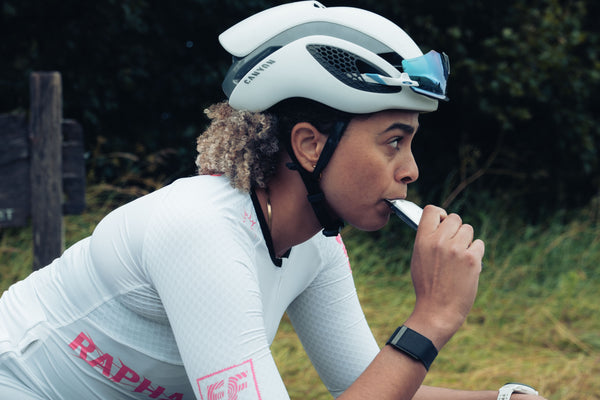
Winter Hydration Guide for Runners & Cyclists
Cold suppresses thirst 40% but sweat rate stays high. The winter hydration protocol.

By Ella Ransley, Sport Science Lead
- Published
- 2 min read

You might not feel as thirsty in winter - but that doesn’t mean you’re properly hydrated.
Cold conditions suppress your thirst response, even though fluid loss continues through:
-
Breathing (cold air is dry)
-
Sweating (even when you don’t notice it)
-
Increased urine output in the cold
-
Heated indoor environments

Research shows athletes are often just as dehydrated in winter as they are in summer - they just don’t feel it. And dehydration doesn’t need to be extreme to hurt performance. Losing as little as 2% of body weight in fluid can reduce endurance, power, and focus.
The Evidence-Based Hydration Rules
Hydrate for effort, not temperature
Your fluid needs depend on training load - not how cold it is.
Don’t rely on thirst in winter
Thirst is delayed in the cold, so having a plan matters.
Include electrolytes
Sodium improves fluid absorption and helps maintain balance - especially during longer or indoor sessions.

Practical Guidelines
Before training
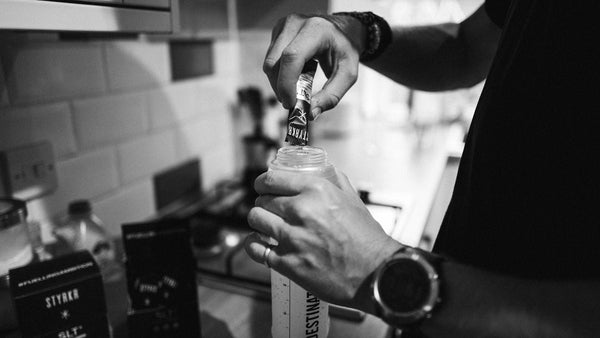
Arrive hydrated by pre-loading with electrolytes.
During training
-
Under 60 minutes: drink to thirst
-
Over 60–75 minutes: plan your intake
Aim for around 400–750 ml per hour, adjusting for effort and conditions. Include electrolytes for longer or indoor sessions.
After training
Based on session intensity and duration, rehydrate over the next few hours with water and/or electrolytes to replace what you’ve lost.
You will finish your order on thefeed.com. Opens in a new tab.
“Hydrate for effort, not temperature. Your fluid needs depend on training load, not how cold it is.”
Common Winter Hydration Mistakes
-
Only drinking when thirsty
-
Avoiding fluids because it’s cold
-
Skipping electrolytes
-
Overdoing caffeine
-
Forgetting to hydrate indoors

Dehydration in winter is silent - but its effects aren’t.
If training feels harder than it should, hydration might be the missing piece.
Fuel for this guide
-
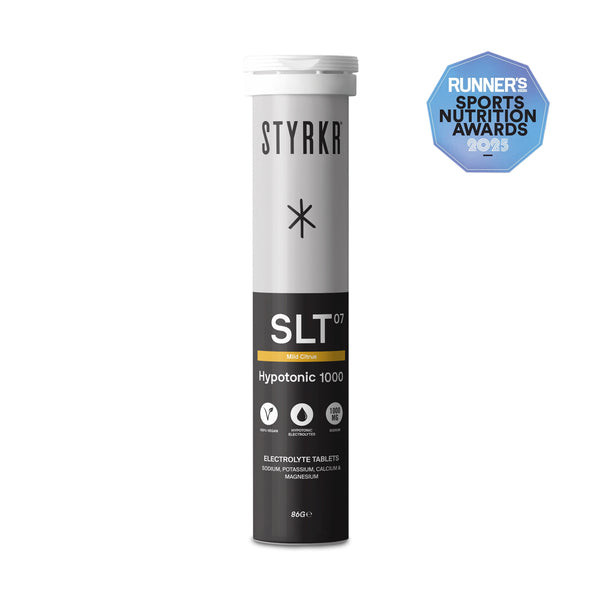
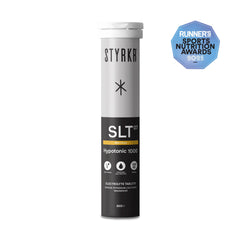
SLT07 Citrus Hydration Tablets 1000MG Sodium
Buy from The Feed
You will finish your order on thefeed.com. Opens in a new tab.